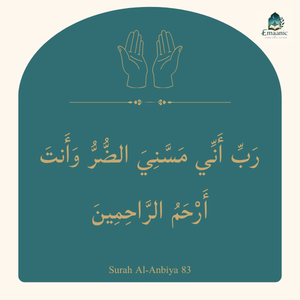
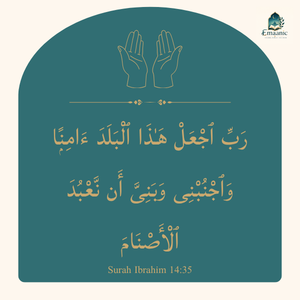
Rabbana La Tuzigh Qulubana Dua is a Quranic supplication in which believers ask Allah to keep their hearts firm upon guidance and grant them mercy. It reminds us that guidance is a blessing from Allah and that we should continually ask Him to help us remain steadfast in faith.
Rabbana La Tuzigh Qulubana Dua in Arabic
رَبَّنَا لَا تُزِغْ قُلُوبَنَا بَعْدَ إِذْ هَدَيْتَنَا وَهَبْ لَنَا مِن لَّدُنكَ رَحْمَةً ۚ إِنَّكَ أَنتَ الْوَهَّابُ
Transliteration
Rabbana la tuzigh qulubana ba’da idh hadaytana wa hab lana min ladunka rahmah, innaka anta al-Wahhab.
English Translation
“Our Lord, do not let our hearts deviate after You have guided us, and grant us from Yourself mercy. Indeed, You are the Bestower.”
Rabbana La Tuzigh Qulubana Word-by-Word Meaning
Learning the meaning of each phrase can help you understand what you are asking Allah when you recite this supplication.
| Arabic | Transliteration | Meaning |
|---|---|---|
| رَبَّنَا | Rabbana | Our Lord |
| لَا | La | Do not |
| تُزِغْ | Tuzigh | Let deviate or turn away |
| قُلُوبَنَا | Qulubana | Our hearts |
| بَعْدَ | Ba’da | After |
| إِذْ | Idh | When |
| هَدَيْتَنَا | Hadaytana | You guided us |
| وَهَبْ | Wa hab | And grant |
| لَنَا | Lana | To us |
| مِن لَّدُنكَ | Min ladunka | From Yourself |
| رَحْمَةً | Rahmah | Mercy |
| إِنَّكَ | Innaka | Indeed, You |
| أَنتَ | Anta | You are |
| الْوَهَّابُ | Al-Wahhab | The Bestower |
The words “Rabbana la tuzigh qulubana” express the central request: asking Allah to protect our hearts from deviation after receiving guidance. The rest of the verse asks for His mercy and recognizes His generosity.
Rabbana La Tuzigh Qulubana Dua Reference in the Quran
The Rabbana La Tuzigh Qulubana dua appears in Surah Ali ‘Imran, verse 8.
The surrounding verses discuss the Quran’s clear and less explicit verses and describe people who are firmly grounded in knowledge. They acknowledge that all revelation comes from their Lord and respond with faith rather than pursuing confusion.
In verse 8, they make this supplication:
رَبَّنَا لَا تُزِغْ قُلُوبَنَا بَعْدَ إِذْ هَدَيْتَنَا وَهَبْ لَنَا مِن لَّدُنكَ رَحْمَةً ۚ إِنَّكَ أَنتَ الْوَهَّابُ
The following verse, Surah Ali ‘Imran 3:9, continues with a prayer affirming belief in the coming Day when Allah will gather humanity.
Reference: Surah Ali ‘Imran 3:8
This context shows that people who seek knowledge and guidance still need Allah’s help. Knowledge and faith should lead to humility and continued supplication, not a feeling that we no longer need guidance.
Rabbana La Tuzigh Qulubana Meaning in English
The meaning of Rabbana La Tuzigh Qulubana is a humble request for Allah to keep our hearts on the path of truth after guiding us to it.
The dua begins with “Our Lord,” acknowledging Allah as the One we turn to for help. The words “do not let our hearts deviate after You have guided us” express the importance of remaining firm in faith and not turning away from the truth.
The next part asks Allah to grant mercy from Himself. Finally, the supplication ends by recognizing Allah as Al-Wahhab, meaning the Bestower, who gives generously.
This dua teaches us that receiving guidance is not a reason to become careless or overconfident. We should continue asking Allah for steadfastness, mercy, and protection from going astray.
Why Do We Need Rabbana La Tuzigh Qulubana Dua?
Faith is precious, and remaining steadfast requires ongoing effort. People may face doubts, temptations, difficult experiences, or pressures that challenge their commitment to what they believe is right.
This dua reminds us that we should not rely only on our own strength. We should ask Allah to keep our hearts firm, help us recognize the truth, and grant us the mercy needed to follow His guidance.
It also teaches us to be humble. A person may know the right path and still need help remaining consistent. Asking Allah for steadfastness is therefore an expression of faith, not a sign of weakness.
The supplication is especially meaningful when you are trying to strengthen your relationship with Allah, learn your religion, improve your character, or remain committed to righteous actions during difficult times.
Benefits of Rabbana La Tuzigh Qulubana Dua
The Quran does not specify a fixed number of repetitions or promise particular worldly results for reciting this verse. However, its meaning offers several important spiritual lessons.
1. It teaches us to ask for steadfastness in faith
The dua asks Allah not to let our hearts deviate after receiving guidance. It reminds us to seek His help in remaining firm in belief and righteous conduct.
2. It encourages humility
Even after receiving guidance, believers should not assume that they can manage every challenge without Allah’s help. This supplication teaches us to remain humble and dependent on Him.
3. It reminds us that guidance is a blessing
The words “after You have guided us” acknowledge that guidance comes from Allah. This encourages gratitude for the opportunity to know the truth and follow it.
4. It asks Allah for His mercy
The dua includes a direct request for mercy from Allah. It reminds us that we need His compassion and help throughout our lives.
5. It strengthens our habit of making dua
Reciting and reflecting on Quranic supplications helps us turn to Allah regularly. This particular dua encourages us to ask for guidance and steadfastness rather than assuming that our faith will remain strong without effort.
6. It reminds us to protect our hearts
Our beliefs, intentions, and choices influence how we live. The supplication encourages us to pay attention to what affects our hearts and to seek Allah’s help in avoiding paths that lead us away from the truth.
7. It teaches us to rely on Allah
By calling Allah Al-Wahhab, the Bestower, the dua recognizes His generosity. It encourages believers to seek His gifts and mercy rather than relying entirely on their own abilities.
These are lessons drawn from the verse’s meaning. They should not be understood as guarantees that reciting the dua a certain number of times will produce a specific result.
When Can You Recite Rabbana La Tuzigh Qulubana Dua?
You can recite this Quranic dua whenever you wish to ask Allah for steadfastness, guidance, and mercy. The verse does not restrict the supplication to a particular time of day.
Here are some situations in which its meaning may be especially relevant:
When strengthening your faith: Ask Allah to help you remain committed to your beliefs and act upon what you know to be true.
When facing doubts or confusion: Recite the dua while asking Allah to guide you toward the truth and help you approach questions with sincerity.
When learning Islam: Remember that seeking knowledge should be accompanied by humility and a sincere request for guidance.
When facing difficult choices: Ask Allah to help you recognize what is right and remain firm in following His guidance.
During personal supplication: Include the verse when asking Allah for mercy, guidance, and steadfastness.
After salah: You may recite it as part of your personal dua without treating it as a compulsory post-prayer formula.
You do not need to wait until you feel spiritually weak to make this supplication. Asking Allah for steadfastness is relevant throughout a believer’s life.
How to Recite Rabbana La Tuzigh Qulubana Dua with Understanding
You can make this dua more meaningful by learning its words and reflecting on the request it contains.
1. Learn the Arabic text
Read the Arabic carefully and listen to a reliable Quran recitation to help with pronunciation. Transliteration is useful for beginners, but it cannot represent every Arabic sound perfectly.
2. Understand its meaning
Remember that you are asking Allah to keep your heart from deviating after guidance and to grant you mercy. Understanding the words can help you approach the supplication with greater attention.
3. Ask Allah sincerely
Make the dua with humility and sincerity. You are asking the One who guides and grants mercy to help you remain on the right path.
4. Take practical steps to remain steadfast
Alongside making dua, continue learning your religion from reliable sources, maintaining your obligatory acts of worship, avoiding sinful behavior, and choosing good company.
5. Continue asking for guidance
Do not assume that one recitation removes the need for further supplication or effort. Keep turning to Allah and strive to follow His guidance in your daily life.
Is there a specific number of times to recite this dua?
Surah Ali ‘Imran 3:8 does not prescribe a particular repetition count. You may recite it as often as you wish in your personal supplications, but do not treat an unsupported number as a religious requirement or a guarantee of a specific outcome.
Lessons from Rabbana La Tuzigh Qulubana Dua
This short Quranic supplication contains several important lessons for anyone seeking to remain faithful and guided.
Guidance requires gratitude
The dua acknowledges that Allah has already guided the believers. It teaches us to appreciate this blessing and respond with gratitude rather than pride.
Faith should be accompanied by humility
A person may have knowledge and strong convictions yet still need Allah’s help. The dua encourages believers to recognize their limitations and ask for His support.
Ask for mercy, not just knowledge
Knowing what is right is important, but we also need Allah’s mercy and help to follow the truth. This supplication joins the request for steadfastness with a request for mercy.
Pay attention to the condition of your heart
The dua focuses on the heart because our inner beliefs and intentions matter. We should regularly examine our intentions, correct our mistakes, and seek Allah’s help in remaining sincere.
Keep learning and acting upon the truth
Supplication should accompany effort. Continue learning from reliable Islamic sources and try to apply what you learn through worship, good character, and fair treatment of others.
Remember Allah’s generosity
The verse ends with the name Al-Wahhab, the Bestower. This reminds us that Allah grants blessings generously and that we should keep asking Him for guidance and mercy.
Rabbana La Tuzigh Qulubana and the Name Al-Wahhab
The final words of the dua are:
إِنَّكَ أَنتَ الْوَهَّابُ
Transliteration: Innaka anta al-Wahhab.
Meaning: “Indeed, You are the Bestower.”
Al-Wahhab is one of Allah’s beautiful names. It refers to His abundant giving and generosity. In this verse, the name follows the request for mercy, emphasizing that believers turn to Allah for what they need.
The wording also teaches us how to make dua: acknowledge Allah, ask Him for what you need, and recognize His greatness and generosity. It is a reminder that guidance and mercy are blessings worth continually seeking.
Frequently Asked Questions About Rabbana La Tuzigh Qulubana Dua
What is Rabbana La Tuzigh Qulubana dua in Arabic?
The Arabic text is:
رَبَّنَا لَا تُزِغْ قُلُوبَنَا بَعْدَ إِذْ هَدَيْتَنَا وَهَبْ لَنَا مِن لَّدُنكَ رَحْمَةً ۚ إِنَّكَ أَنتَ الْوَهَّابُ
It appears in Surah Ali ‘Imran 3:8.
What is the meaning of Rabbana La Tuzigh Qulubana?
It means: “Our Lord, do not let our hearts deviate after You have guided us, and grant us from Yourself mercy. Indeed, You are the Bestower.”
The dua asks Allah for steadfastness, protection from deviation, and mercy.
Which surah contains Rabbana La Tuzigh Qulubana dua?
The supplication appears in Surah Ali ‘Imran, verse 8, the third chapter of the Quran.
What does Rabbana La Tuzigh Qulubana teach us?
It teaches us to ask Allah to keep our hearts firm upon guidance, recognize our dependence on Him, seek His mercy, and remain humble even when we have knowledge and faith.
Can I recite Rabbana La Tuzigh Qulubana for strong faith?
Yes. You can recite this Quranic supplication when asking Allah to help you remain steadfast in faith and follow His guidance. Its meaning directly relates to seeking protection from deviation after receiving guidance.
How many times should I recite Rabbana La Tuzigh Qulubana?
The verse does not specify a fixed number of repetitions. You may recite it in your personal supplications as often as you wish, without believing that a particular count is required or guarantees a particular outcome.
Can I recite Rabbana La Tuzigh Qulubana after salah?
Yes. You may include it in your personal supplications after salah. However, the verse does not establish a special mandatory repetition count or make reciting it after every prayer an obligatory practice.
What does Al-Wahhab mean in this dua?
Al-Wahhab means “The Bestower.” It is one of Allah’s beautiful names and emphasizes His generosity. The dua ends with this name after asking Allah for mercy.
Is Rabbana La Tuzigh Qulubana a dua from the Quran?
Yes. It is a Quranic supplication found in Surah Ali ‘Imran 3:8. The verse presents believers asking Allah to keep their hearts firm after guidance and to grant them mercy.
Can I make this dua when I feel spiritually weak?
Yes. You can recite it whenever you wish to ask Allah for steadfastness and mercy. You can also seek reliable Islamic knowledge, maintain your worship, and take practical steps to strengthen your faith.
Conclusion
Rabbana La Tuzigh Qulubana dua is a beautiful Quranic supplication that reminds us to ask Allah for steadfastness after receiving guidance. Found in Surah Ali ‘Imran 3:8, it teaches humility, gratitude, and the importance of seeking Allah’s mercy throughout our lives.
Learn the Arabic, understand its meaning, and include it in your personal supplications. Alongside making dua, keep learning, act upon what you know to be right, and ask Allah to help you remain firm upon the truth.
May Allah keep our hearts firm upon His guidance, grant us His mercy, and help us remain sincere in faith and righteous in our actions. Ameen.